WHY IT MATTERS
Injury bracing is about more than immobilization; it’s about functional recovery.
We work with a wide range of injuries, including but not limited to:
- Ankle sprains
- Knee ligament tears (MCL, ACL, PCL, LCL)
- Meniscus Injuries
- Wrist or thumb fractures
- Shoulder dislocations
- Back strains
The right brace at the right stage of recovery makes a real difference — reducing pain, protecting the injury, and letting you move with confidence while your body does the work.


The Bracing Lab Difference
We Assess the Injury, Not Just the Pain
Our bracing specialists evaluate your movement patterns, stability, and recovery stage — so the brace fits where you actually are in healing, not just where it hurts.
Your Life Doesn't Stop for an Injury
We factor in your work, your activity level, and your goals — so your brace supports your recovery without putting everything else on hold.
We Talk to Your Team
If you're working with a physio or physician, we coordinate with them directly. Your brace should be part of your care plan, not separate from it.
No Referral Needed to Get Started
Walk in or book ahead. You don't need a doctor's note to see us. However, If you're claiming insurance, we can help you sort out what documentation you'll need.
What Happens at Your Appointment
01
We assess your mobility and pain levels
02
We consult your care plan (if available)
03
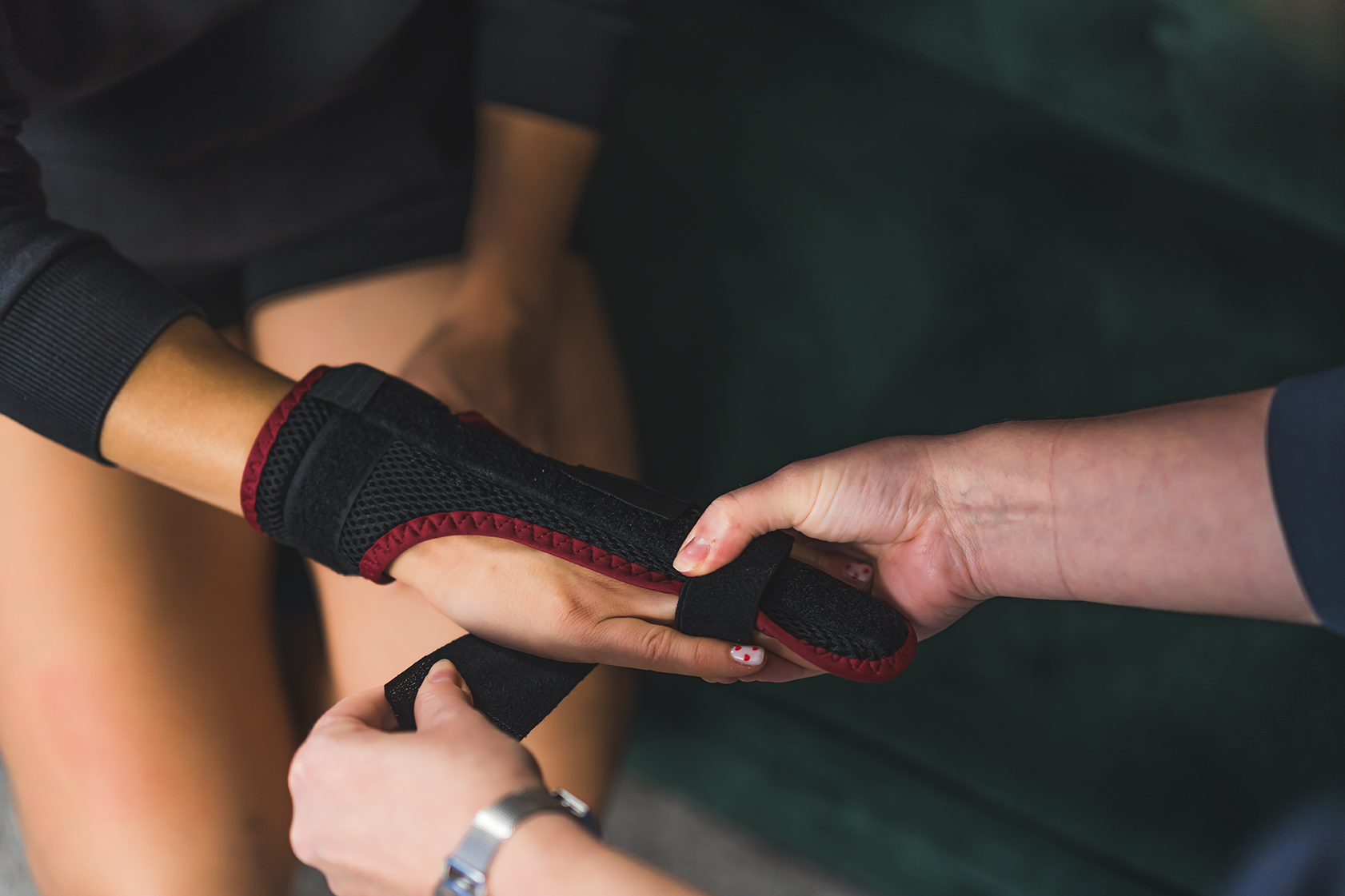
You get fitted for the right brace — custom or off-the-shelf, depending on your injury and recovery stage
04
We show you how to wear, adjust, and care for your brace
05
We’re here for follow-up adjustments as your injury heals and your support needs change
BRACING LAB INSIGHTS
Understanding Bracing:
Tips, Insights, & Expertise
From performance to prevention to everyday comfort, our team shares real insights on how the right support can change the way you move.
FAQs
Find answers to your most common questions.